

Energy Policy
Reconciling Agriculture and Infrastructure Through Agri-Solar Design
Stephen Wright · JULY 1, 2021
Dual-use agri-solar frameworks let Louisiana preserve agricultural heritage while unlocking utility-scale energy infrastructure on the same acreage.
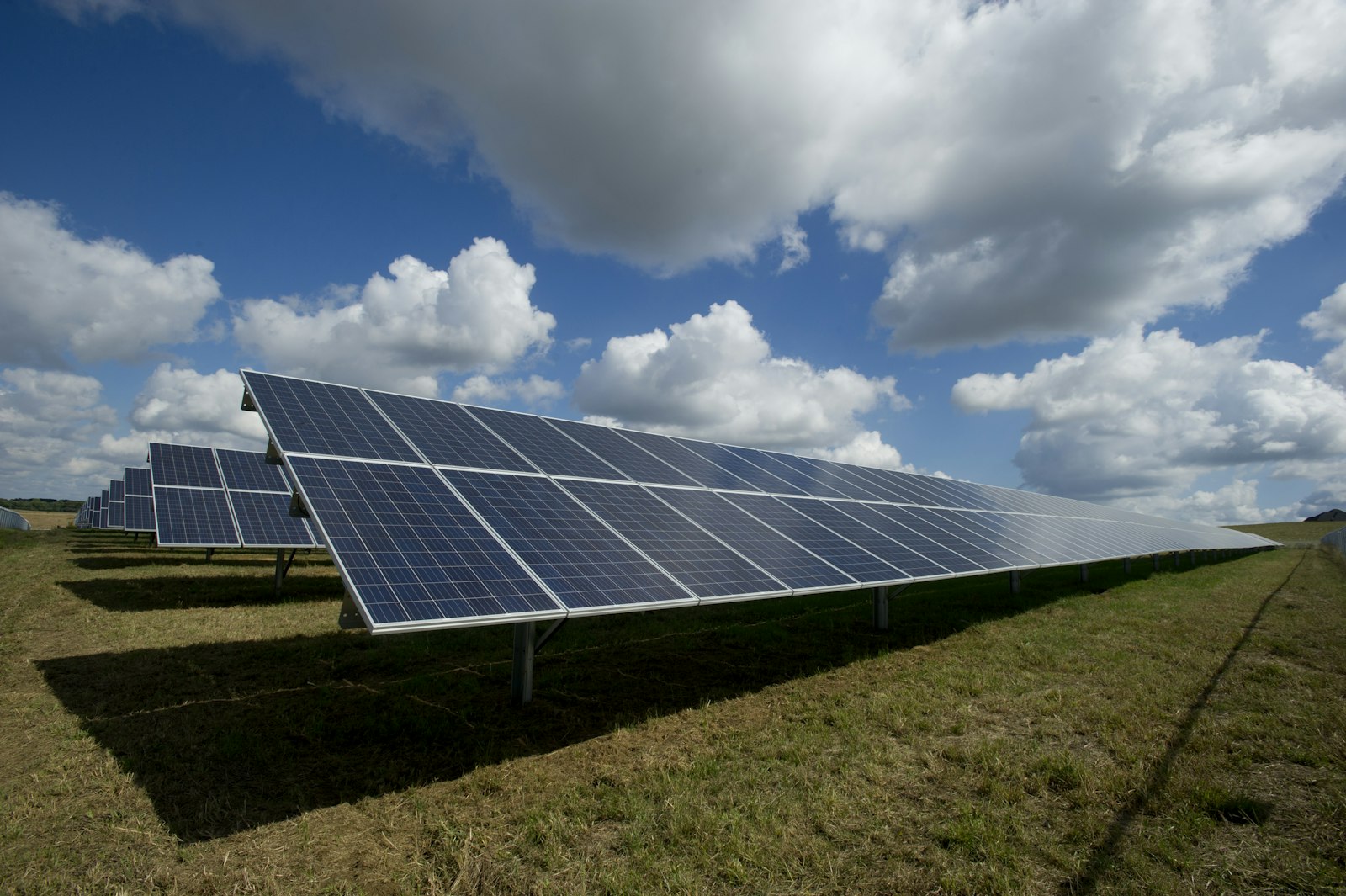
Dual-use agri-solar frameworks let Louisiana preserve agricultural heritage while unlocking utility-scale energy infrastructure on the same acreage.
An agrarian economy and an industrialized infrastructure are not natural enemies; rather, they are complementary pillars of a wealthy and self-sustaining republic. Yesterday's feature in the Louisiana Illuminator detailed the rising tensions between rural landowners and clean energy developers. The solution to this impasse lies not in restrictive prohibitions, but in a dual-use framework that multiplies the productivity of our soil.
Testifying before state regulatory panels on behalf of GSREIA, Seersucker's Stephen Wright presented empirical evidence from successful multi-state models proving that agricultural preservation and utility infrastructure can thrive on the very same acreage. He highlighted how Midwestern states like Minnesota utilize these dual-use practices to turn solar installations into vibrant ecological sanctuaries, cultivating native flora that sustain local pollinator and bee populations. Furthermore, Wright detailed how other regions integrate livestock management, allowing sheep and cattle to graze freely beneath elevated solar arrays.
True conservation respects the land while unleashing its full economic utility. Seersucker Strategies is championing these agri-solar practices to ensure Louisiana preserves its rich agricultural heritage while securing a dominant position in the next generation of industrial energy manufacturing.